



After 13 years at Google and YouTube, I’ve seen the music industry from a very specific vantage point: the data-driven, platform-heavy, 10,000-foot view. I’ve analyzed trends across thousands of channels and helped navigate the complexities of global operations. But recently, I stepped away from that “cool job” to find something even cooler.
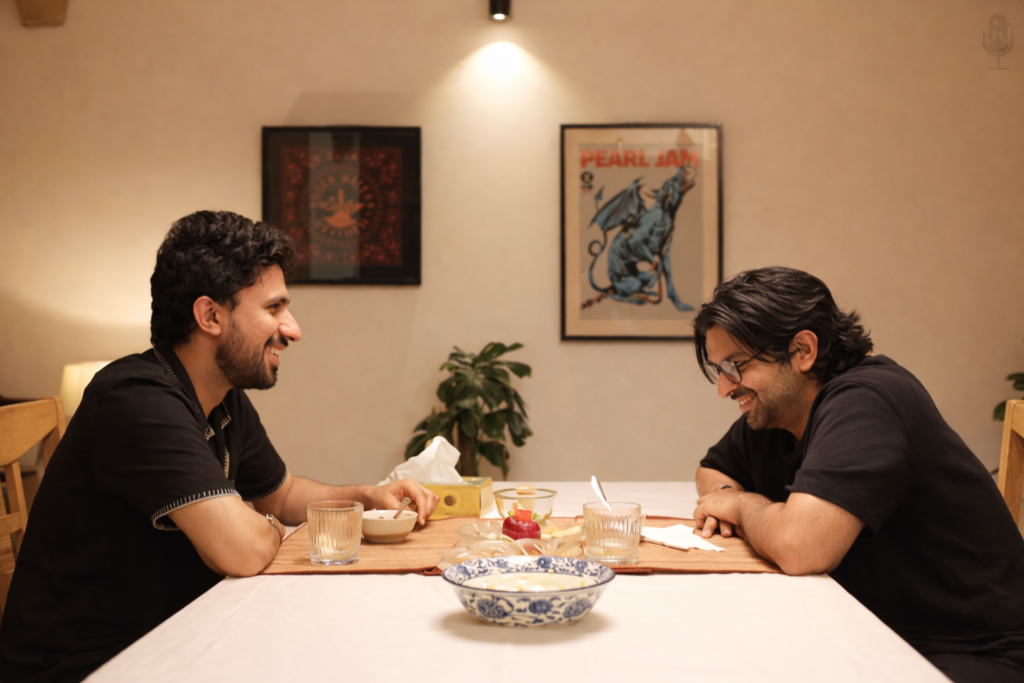
I started a supper club (or as I call it, a “victimization session”) where I cook for friends with fascinating careers. My latest victims? Rohan from Imaginary Friends and Sange from SW Entertainment. They manage some of the most exciting acts coming out of India today—names like Hanumankind, Paal Dabba, and Mary Ann Alexander.
As we sat over Mutton Kheema balls and Donne Biryani, we got into the grit of what it actually means to be an artist manager in 2024. If you think it’s just about backstage passes and parties, you’re missing the 99% of the work that actually moves the needle.
The 10x Multiplier: What Managers Actually Do
Sange put it perfectly: a manager is a 360-degree partner. While the artist is 100% focused on the creative, the manager is responsible for boosting that creativity 10x by handling everything else.
In the streaming era, a manager isn’t just a booker; they are:
- Catalog Strategists: Deciding where and when music fits.
- Brand Architects: Shaping the persona that fans buy into.
- Future-Proofers: Managing a future that hasn’t even arrived yet.
Rohan’s perspective was equally sharp: “A manager handles everything so the artist can focus only on their craft.” In an age where artists are expected to be TikTokers, editors, and marketers, a good manager provides the “shield” that allows the art to remain pure.
The “Big Dawgs” Factor: Logistics as Art
One of the highlights of our conversation was the story behind Hanumankind’s “Big Dawgs” music video. We all saw the “Well of Death” and the global explosion that followed, but we didn’t see the management hustle behind it.
Rohan shared how they had to convince a circus owner in Ponnani, Kerala, to keep their “Well of Death” set standing for one extra day after the circus had officially closed. Imagine the scene: a small town, a language barrier, and a manager who has to secure a confirmation just 48 hours before the shoot while hauling cases of sponsor drinks across the state.
That is the hallmark of a great manager. It’s not just having a vision; it’s the relentless logistical maneuvering required to make that vision a reality. They told the label only 24 hours before the shoot. They took the risk. That’s how you get a masterpiece.
The Content vs. Community Dilemma
Coming from YouTube, I’ve seen how the “fast content” era has changed the game. Sange and I discussed the different paths artists take.
- The Masterpiece Path: Artists like Paal Dabba or Hanumankind who might take months to perfect a single visual. Paal Dabba, for instance, writes music to the visual. He rehearses scenes in football fields weeks in advance.
- The Velocity Path: Artists like Mary Ann Alexander, who thrive on a three-week release cycle.
A manager’s job is to recognize which path the artist belongs on. The “crowd demands consistency,” but as Sange noted, community building isn’t just about dropping a link. It’s about the consistency of the human character the artist portrays.
Can You Make It Outside of Mumbai?
The old-school belief was that you had to be in Mumbai or Delhi to break out. My guests and I disagreed. While Sange pointed out that it is “10 times harder” for artists in the Northeast due to a lack of venues and infrastructure, Rohan pointed to Hanumankind. Their biggest fanbase is in Kerala, yet they’ve reached a global stage from Bangalore.
The bridge, as I see it from my years at the platform, is digital breakout. You break out on YouTube or Instagram, and then you use that leverage to get into the rooms (and venues) that matter.
Final Thoughts: Is it a “Cool Job”?
Both Sange and Rohan were quick to correct me: it’s a fun job, but it’s rarely a cool one. It’s selfless. It’s about waking up and thinking about someone else’s schedule before your own. It requires a level of “super-fandom” where you have to be the artist’s biggest believer even when the world hasn’t caught on yet.
My 13 years at Google taught me about processes and scale, but sitting with these guys reminded me that the music industry is, at its heart, a relationship business. Whether you’re an artist or looking to manage one, the takeaway is clear: find someone whose vision aligns with yours, be prepared to sacrifice, and don’t be afraid to keep the circus set standing for one more day.
Saransh Kharbanda is a tech and music industry veteran. After 13 years at Google and YouTube, he is now exploring the intersection of food, culture, and “cool jobs” through his supper club and podcast.